Wednesday, February 7, 2018

Diaper Rash Home Remedies

Diaper rash is a generalized term indicating any skin irritation that develops in the diaper-covered region. Synonyms include diaper dermatitis, napkin dermatitis, and ammonia dermatitis. While there are several broad categories of causes of diaper rash, contact irritation is the most common culprit. While diaper rash is generally thought to affect infants and toddlers, any individual wearing a diaper is a candidate to develop this dermatitis.
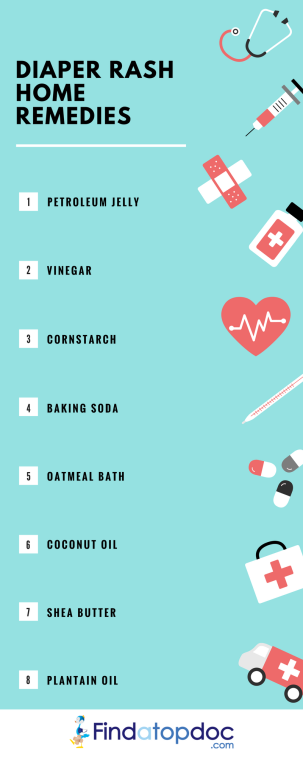
diaper-rash-home-remedies.png

Source
Causes of Diaper Rash
  • Leaving a wet or dirty diaper on too long
  • Rubbing or chafing against the diaper itself
  • Yeast infection
  • Bacterial infection
  • Allergic reaction to diaper
A harmless rash that's often seen on a baby's scalp, called cradle cap, can also show up on his bottom. Doctors call it seborrheic dermatitis. It causes red and waxy patches that eventually go away without treatment. You might notice it on other parts of your baby's body, too.\

What does diaper rash look like?
If your child's diaper area looks irritated and red, chances are it's a diaper rash. The skin may also be a little puffy and feel warm. Diaper rash can be mild, with just a few red spots in a small area, or extensive, with tender red bumps that spread to your child's tummy and thighs. Most parents have to deal with diaper rash at some point, especially in the first year or so of their child's life.

Monday, February 5, 2018

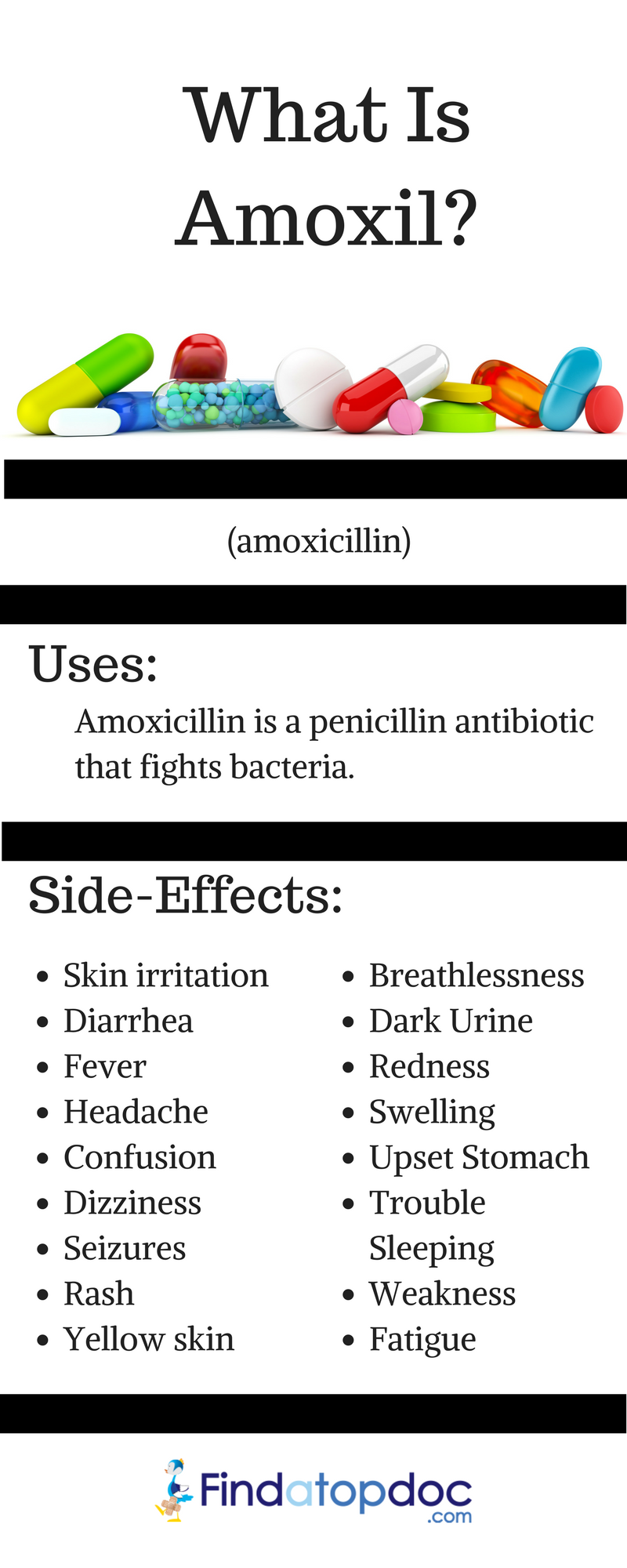
What Is Amoxil (Amoxicillin)?

Amoxicillin is used to treat a great deal of bacterial infections. This medication is a penicillin-type antibiotic. This antibiotic treats only bacterial infections. It will not work for viral infections (like cold, flu). Unnecessary use or misuse of any antibiotic can lead to its decreased effectiveness. Amoxicillin is also used with other medications to treat stomach/intestinal ulcers caused by the bacteria H. pylori and to prevent the ulcers from returning.

What Is Amoxil (Amoxicillin)?
Source

Before taking this medicine
You should not use amoxicillin if you are allergic to any penicillin antibiotic, such as ampicillin, dicloxacillin, oxacillin, penicillin, or ticarcillin. To make sure amoxicillin is safe for you, tell your doctor if you have:
  • asthma;
  • liver or kidney disease;
  • mononucleosis;
  • a history of diarrhea caused by taking antibiotics; or
  • food or drug allergies
Amoxicillin and Pregnancy
If you're a woman, let your doctor know if you are or may be pregnant, are breastfeeding, or using birth control pills. Though amoxicillin is widely believed to be safe, ask your doctor if the risks of taking antibiotics while pregnant outweigh the benefits. Also, let your doctor know if you are breastfeeding because amoxicillin can pass through breast milk and increase the risk for a later allergic reaction in babies.

Uses
As an antibiotic, amoxicillin is used to treat infections caused by bacteria.
Conditions that amoxicillin can treat include:
  • bronchitis
  • ear infection
  • gonorrhea
  • pneumonia
  • skin infections
  • typhoid