Friday, April 27, 2018

What Could Pain and Weakness in the Right Arm Mean?

Arm pain, usually on the right side, accompanied by a tightening of the chest, nausea, and difficulty breathing can be a symptom of coronary artery disease or even a heart attack in some severe cases. Right arm pain can be caused by a variety of factors, ranging from joint inflammation and injuries to compressed nerves and trauma. A person with right arm pain experiences soreness, itching, numbness, and discomfort in the structures of the arm

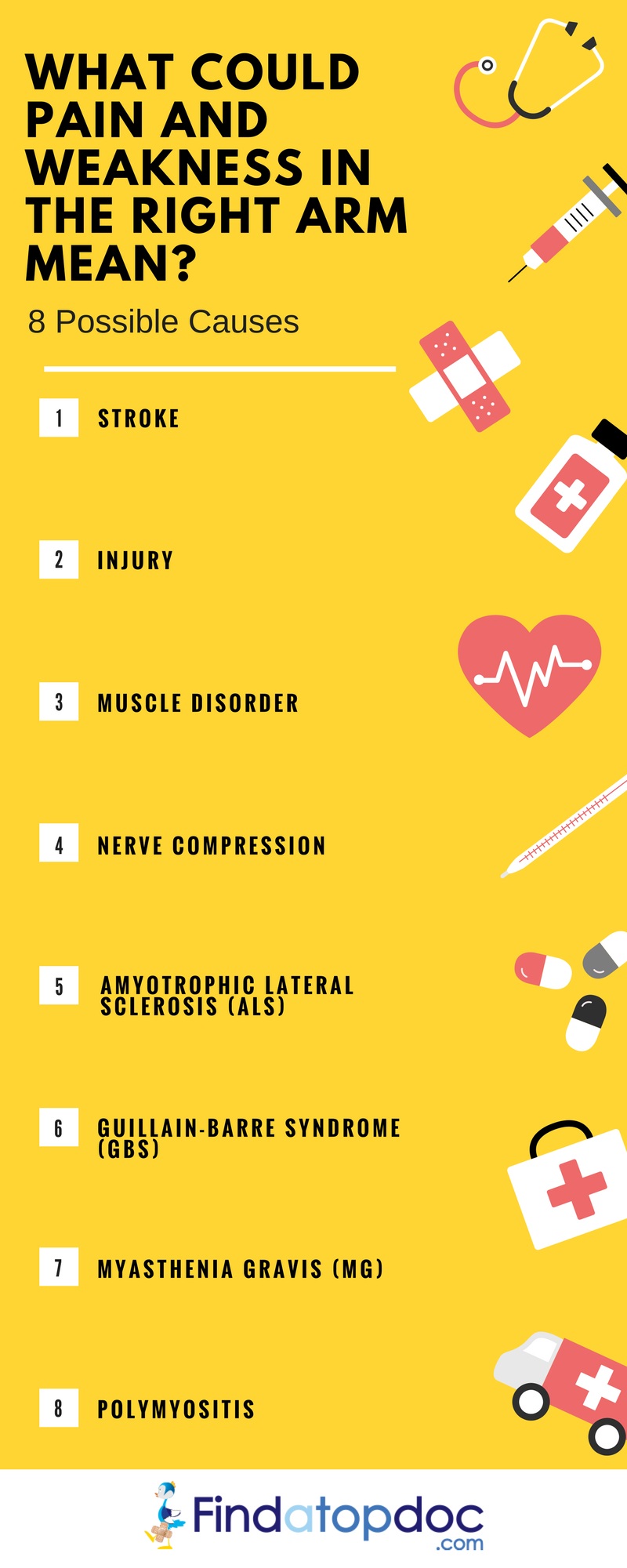
WHAT COULD PAIN AND WEAKNESS IN THE RIGHT ARM MEAN_.jpg
Image Source

Causes


Possible causes of arm pain include:
  • Brachial plexus injury
  • Broken arm
  • Broken wrist/broken hand
  • Carpal tunnel syndrome
  • Dislocated elbow
  • Fibromyalgia
  • Heart attack
  • Sprains and strains
  • Tennis elbow

Symptoms


Right arm pain, depending on the location and cause, may be accompanied by numbness, redness, swelling, or stiffness of the joints. Injuries or trauma to any part of the arm or shoulder, including bone fractures and muscle strains and sprains, are common causes of right arm pain. Sometimes diseases that affect other organs in the body, like peripheral vascular disease or arthritis, can be the cause of pain in the right arm as well.

Treatment


People with nerve damage or compressed nerves in the right arm, wrist, elbow, or hand should avoid repetitive movements and take frequent breaks. If you are experiencing right arm pain caused by overuse or exertion, you can try to alleviate the pain at home. If your right arm is swollen, apply ice to the area and use a sling to keep the arm still. The treatment for arm pain depends on the underlying cause. Treatment for arm pain may include rest, elevation, an elastic wrap, a splint or sling, cold compresses and surgery. Additional treatment for right arm pain caused by infection may include warm compresses and antibiotics.

Wednesday, April 25, 2018

What is a Maculopapular Rash? - Causes and Symptoms

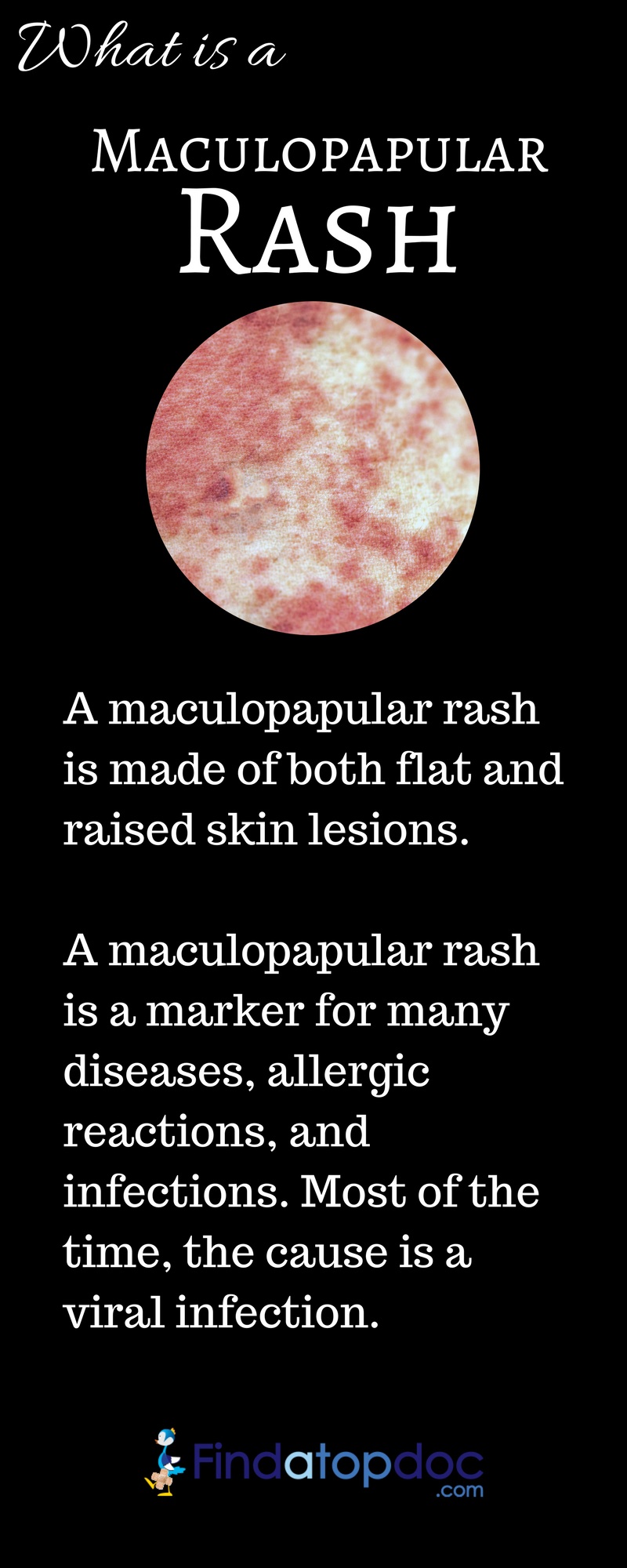
A maculopapular rash is made of both flat and raised skin lesions. The name is a blend of the words “macule,” which are flat discolored skin lesions, and “papule,” which are small raised bumps. These skin lesions are usually red and can merge together. Macules that are bigger than 1 centimeter are patches, while papules that are merged together are plaques.

Maculopapular Rash
Image Source

Causes


Rubeola (Measles) - Maculopapular rash due to measles is very common among children. It begins appearing on the hairline and behind the ears and afterwards spreads through trunk and extremities. When the rash desquamates and becomes brownish, it is starting to fade away. The order on which it appeared follows the order on when it fades away.
Rubella (German Measles) - Maculopapular rash caused by Rubella starts to appear on the face and then spreads downwards.
Roseola (Exanthema Subitum) - This occurs in children less than 3 years old. The maculopapular rash is scattered although the face is often unaffected. It appears after the fever disappears.
Infectious Mononucleosis - Older children and adolescents are affected by this kind of infection. The rash can be seen on the trunks and arms.

Symptoms


A maculopapular rash looks like red bumps on a flat, red patch of skin. The reddish area may not show up if your skin is dark. The rash is sometimes itchy, and it can last from two days to three weeks depending on the cause. Moreover, how quickly the rash appears and where it appears on your body differs depending on the cause of the rash.
  • fever
  • headache
  • vomiting
  • breathing troubles
  • muscle pain
  • dry skin

Treatment


Once the cause of the rash has been identified, treatment is targeted at the specific cause, and hopefully the rash will disappear after a few days. This is usually the best way of treating a maculopapular rash because it targets the root cause. If the cause is a drug reaction, the doctor can alter your medication, reduce your dosage or offer you an anti-allergy medication to reduce the reaction. Nevertheless, some kinds of pain relievers may still be offered, often in the form of a cream, to reduce pain or itchiness caused by the rash.

What do these Skin Spots mean?

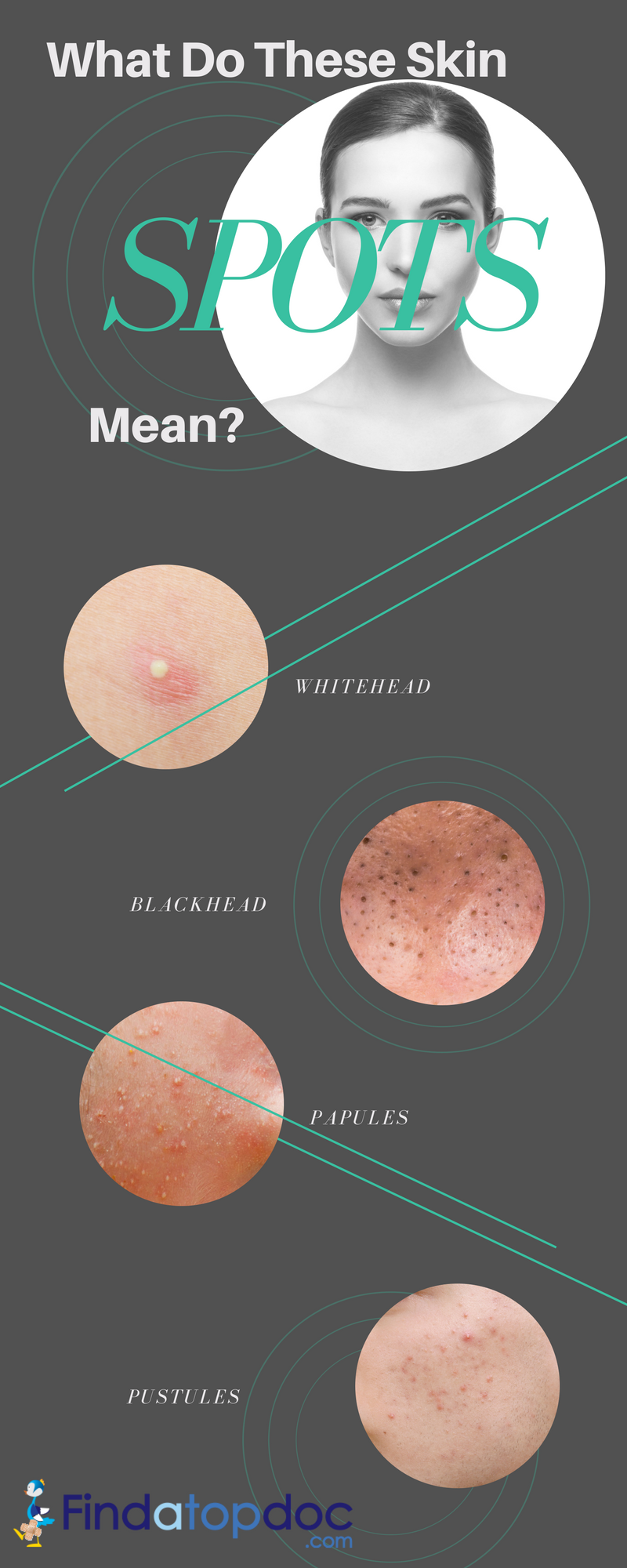
Red spots on the skin are a common medical occurrence. When the spots occur in outbreaks, they are sometimes termed rashes. Rashes can occur due to infections of the skin, disseminated infections, allergic reactions, or irritations of the skin. When a red bump or rash is flat, it is medically known as a macule. When the red spot is raised, it is known as a papule. Red spots on the skin that occur singly can be a small benign tumor of blood vessels, known as a hemangioma. Tiny, pinpoint hemorrhages can be seen in the skin and are referred to as petechiae. Bleeding disorders can also lead to the formation of purplish red spots that are larger, known as purpura.

skinspots.png

Source

Skin disorders vary in symptoms and severity. They can be temporary or permanent, and may be painless or painful. Some skin conditions are minor, and others can be life-threatening.
Common skin conditions include:
  • acne
  • cold sores
  • hives
  • actinic keratosis
  • rosacea
  • latex allergy
  • eczema
  • psoriasis
  • measles
  • basal cell carcinoma
  • melanoma
  • lupus
The following are some of the most common skin disorders and conditions that feature red dots on the skin.

1. Cherry Angiomas

If you notice a tiny mark that looks like a red mole, you may have cherry angiomas. These are very common, and most usually seen in people over the age of 30. These marks appear red because a blood vessel has broken beneath the skin. Researchers aren’t exactly sure about what causes Cherry Angiomas, but they believe that there’s a connection to genetics.

2. Keratosis Pilaris

Keratosis pilaris is a minor condition that causes small, rough bumps on the skin. These bumps usually form on the upper arms, thighs, or cheeks. They’re usually red or white and don’t hurt or itch. Treatment isn’t necessary, but medicated creams can improve skin appearance.

3. Eczema

Also known as atopic dermatitis, eczema is a skin condition characterized by dry, sensitive skin, itching, scales, and crusting. Eczema is usually very itchy and can become inflamed. Over 30 million Americans have eczema, and while there aren’t any known cures, this skin condition is controllable.

4. Folliculitis

These small red bumps that develop on the back, chest, shoulders, and buttocks are caused by inflammation and irritation of the hair follicles and is sometimes related to bacteria and yeast on the skin. It is suggested to change out of sweaty clothing as soon as possible post-workout, and use salicylic acid-based wipes, as well as using antibacterial and anti-yeast washes in the shower.

5. Skin Tags

If you’ve noticed a flesh or brown-colored flap on your skin, you may have skin tags. These usually look like a flap of tissue connected to a stalk. These are most often found in places where the skin rubs together: under the breasts, on the neck, or under fat folds. Women and older people are most likely to get these skin tags. Luckily, these are completely harmless.

Monday, April 23, 2018

What is Bactrim? - Uses and Side-Effects

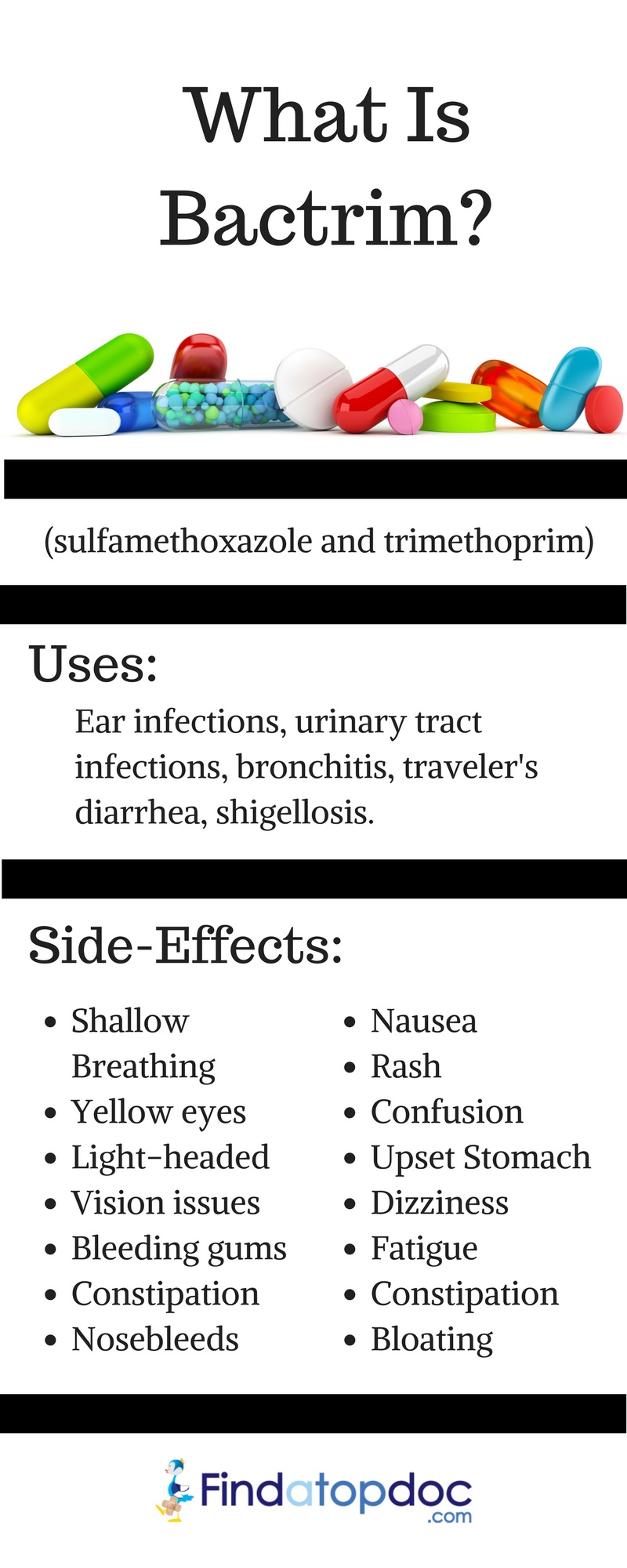
Bactrim is a medication that contains a combination of sulfamethoxazole and trimethoprim. Sulfamethoxazole and trimethoprim are both antibiotics that treat different types of infection caused by bacteria. Bactrim is used to treat ear infections, urinary tract infections, bronchitis, traveler's diarrhea, and Pneumocystis jiroveci pneumonia. Here is more on the usage, doses and side effects.

bactrim
Image Source

How to use Bactrim


You should take this medication by mouth, as directed by your doctor, with a full glass of water. If stomach upset occurs, it’s best to take it with food or milk. Also, make sure to drink plenty of fluids while taking this medication to lower the risk of kidney stones forming, unless your doctor says otherwise. For the best effect, take this antibiotic at evenly spaced times. To help you remember, take this medication at the same time every day.

Side Effects


Some serious side effects have been connected to Bactrim. Common side effects of Bactrim include diarrhea, vomiting, anorexia, and skin reactions like hives or itching. This is not a complete list of Bactrim side effects.
For all patients taking Bactrim DS (sulfamethoxazole and trimethoprim tablets):
  • If you have an allergy to sulfamethoxazole, trimethoprim, or any other part of Bactrim DS.
  • If you are allergic to any drugs like this one, any other drugs, foods, or other substances. You should tell your doctor about the allergy and what signs you had, like rash; hives; itching; shortness of breath; cough; swelling of face, lips, tongue, or any other signs.
  • If you have anemia caused by a lack of folic acid.
  • If you have any of these health problems: Asthma, porphyria, not enough folate in the body, or poor nutrition.
  • If you have been drinking alcohol for a long time or are taking a drug for seizures.

Warnings


Do not share this medication with others because it has been prescribed for your current condition only. Also, do not use it later for another infection unless your doctor tells you to. If taking this medication for an extended period, laboratory and/or medical tests should be performed periodically to monitor your progress or check for side effects. Always consult your doctor for more details.
Remember, keep this and all other medicines out of the reach of children, never share your medicines with others, and use Bactrim only for the indication prescribed. Always consult your healthcare provider to ensure that you are using the medication in the right way.

Wednesday, April 18, 2018

Treatments for Gout in the Knee - Causes and Symptoms

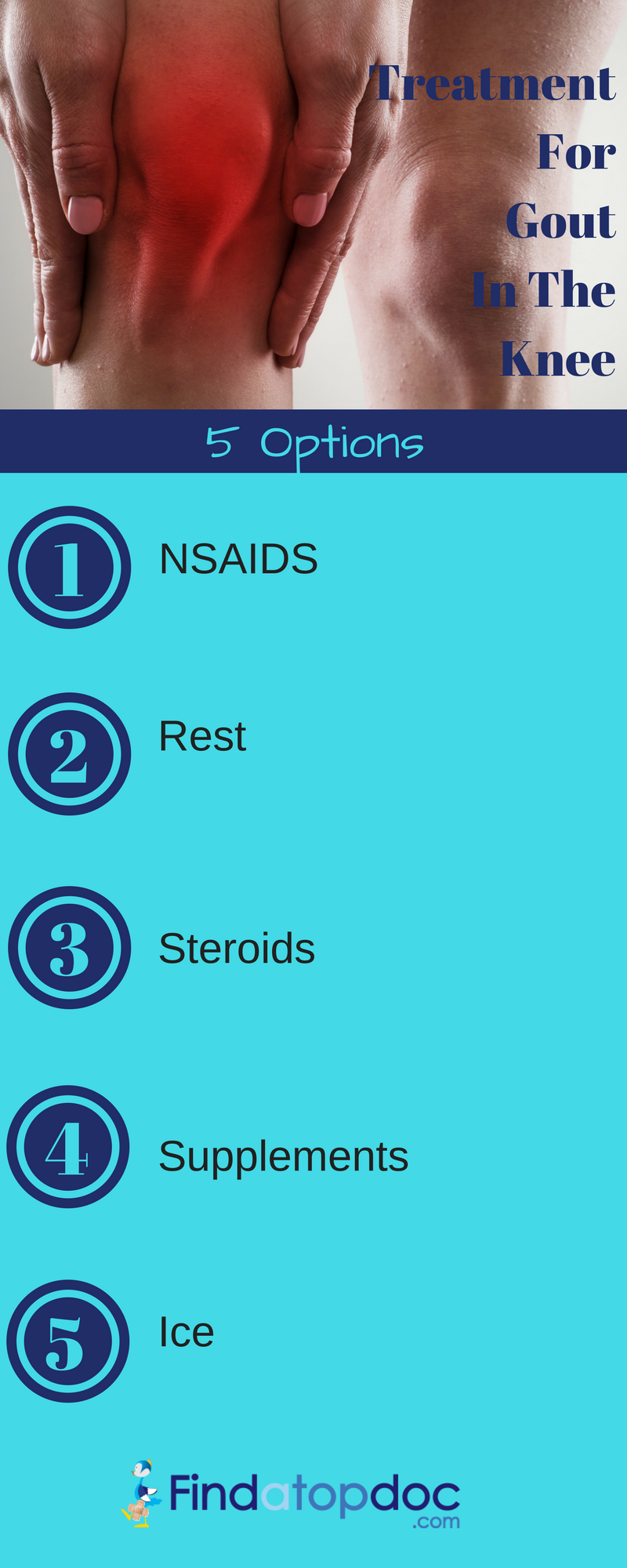
Gout in knee is an inflammatory condition of the joint leading to swelling, pain, and redness of the knee. Gout is a complex form of arthritis that can affect absolutely anyone. Men are documented as having the condition more often, but postmenopausal women become very susceptible as well in their later years. It is estimated that about one million Americans are affected by gout pain each year. The most common joint affected by gout is the big toe, but joint pain may also be experienced in the knees, hands, ankles, and wrists.

gout (1)
Source

What Causes Gout?


An excess of uric acid in the blood brings on gout. Uric acid comes from two places - produced by the body and from the diet. Any extra uric acid usually filters through the kidneys and gets passed in urine. If the body produces too much uric acid or fails to excrete it in the urine, crystals of monosodium urate form in the joints and tendons. These crystals cause intense inflammation eventually leading to pain swelling and redness.

Symptoms


Gout symptoms usually start at night due to lower body temperatures. The joint becomes hot, swollen and red and becomes very sore. The skin around the joint often looks shiny and there may be small, firm lumps under the skin. Sometimes, gout causes a fever. Left untreated, it settles down after a couple of weeks. Gout knee often makes weight bearing activities such as walking incredibly painful. Repeat episodes are common and most people will suffer a recurrence anywhere from 6 months to 2 years later. 60% of gout sufferers will have a recurrence within 1 year.

Treatment


Medications for the treatment of gout usually fall into one of three categories: uric-acid-lowering medications, prophylactic medications, and rescue medications to provide immediate relief from gout pain. Urate-lowering medications are the primary treatment for gout. These medications decrease the total amount of uric acid in the body and lower the serum uric acid level. For most patients, the goal of uric-acid-lowering medication is to achieve a serum uric acid level of less than 6 mg/dl. These medications are somewhat effective treatments to decrease the size of tophi, with the ultimate goal of eradicating them.

Monday, April 16, 2018

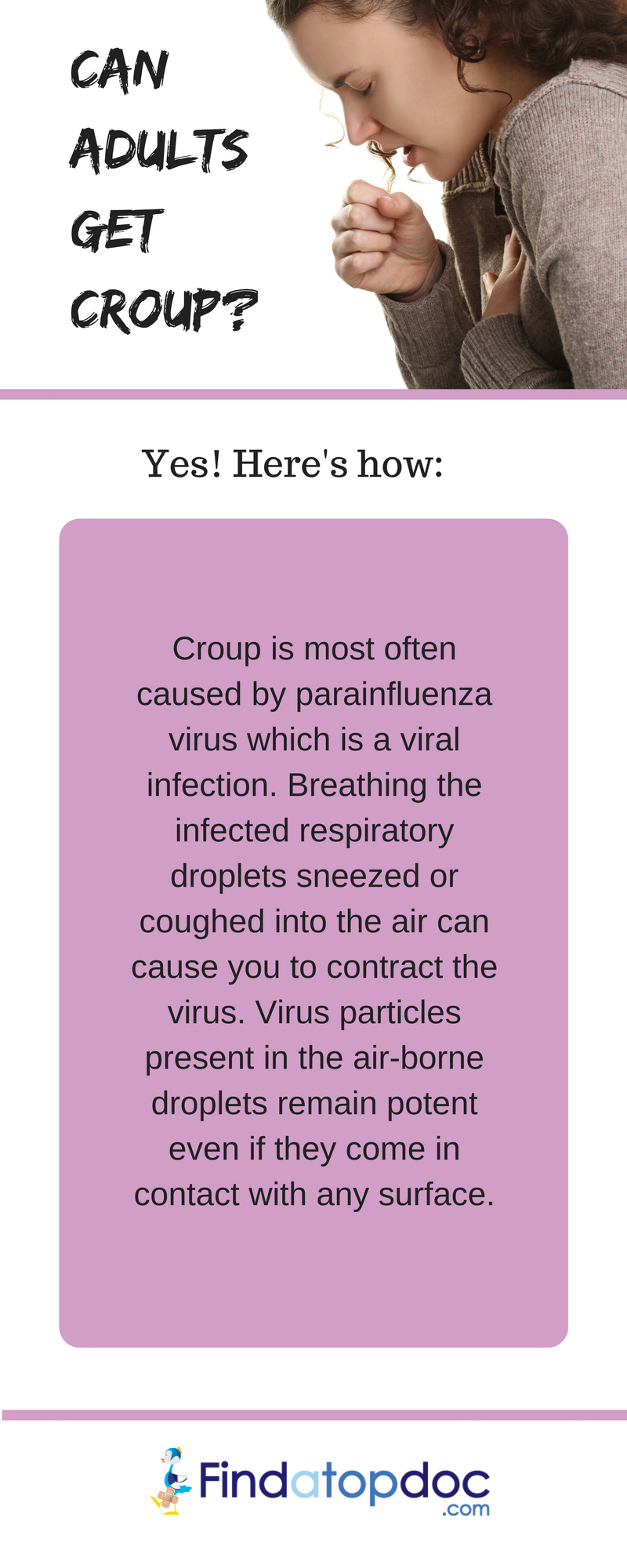
Can Adults Get Croup?

Croup is an inflammation of the larynx and trachea, mostly seen in young children, but can appear in adults as well. Barking coughs, varying degrees of airway obstruction, and hoarseness are the symptoms of croup. A variety of infectious conditions can lead to croup. It is also known as laryngotracheobronchitis. The barking cough that is characteristic of croup results from swelling and inflammation around the vocal chords and windpipe. Symptoms usually improve within a few days, but hospitalization may be needed in severe cases. Croup affects 3 percent of children between 6 months and 3 years of age in the United States.

Can Adults Get Croup_ How_.png

Symptoms

Symptoms of croup may include:
  • a loud, barking cough that gets worse at night
  • labored, noisy breathing
  • high fever
  • agitation
  • fatigue

What Causes Croup?

Croup is most commonly caused by a viral respiratory infection. Common viral causes include influenza, adenovirus, respiratory syncytial virus (RSV), and rhinovirus. Prior to the vaccine era, diphtheria caused most cases of croup and was referred to as membranous croup, but today, fortunately, vaccination against diphtheria has made it an exceedingly rare disease.

Treatment

Adults with croup may need more aggressive treatment than children. Your doctor might prescribe a steroid, such as dexamethasone or epinephrine to lessen swelling in your airways. You might need to spend time in the hospital if your condition is severe. Research shows that adults with croup typically stay in the hospital longer than children with croup. Sometimes doctors will need to place a breathing tube in your windpipe to help you breathe.

Friday, April 13, 2018

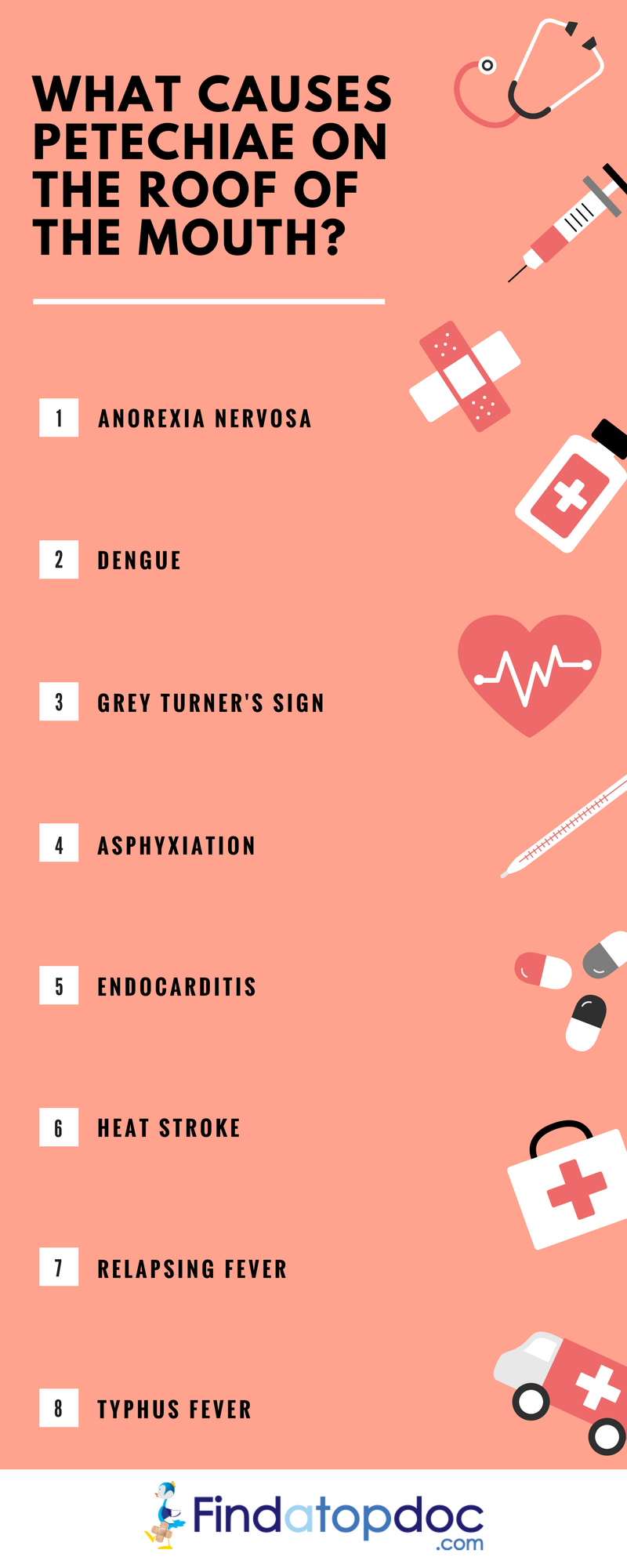
What Causes Petechiae on the Roof of the Mouth?

Petechiae are small purple, red, or brown spots on the skin. They usually appear on the arms, legs, stomach, and buttocks. A person might also find them inside their mouth or on eyelids. These pinpoint spots can be a sign of many different conditions. They can also appear as a reaction to certain medications. Though petechiae look like a rash, they’re actually caused by bleeding under the skin.

Petechiae are small purple, red, or brown spots on the skin. They usually appear on the arms, legs, stomach, and buttocks. A person might also find them inside their mouth or on eyelids. These pinpoint spots can be a sign of many different conditions. They can also appear as a reaction to certain medications. Though petechiae look like a rash, they’re actually caused by bleeding under the skin.
Source

What do petechiae look like?

Petechiae look like a rash, which can be alarming. The spots are tiny pinpricks that can be purple, red, or brown, which is due to the bleeding under the skin. They are usually flat to the touch and, unlike a rash, will not lose color when pressed — this is a useful way to tell whether any skin abnormality is a rash or not.

Causes

Tiny blood vessels link the smallest parts of your arteries to the smallest parts of your veins. Petechiae appear when capillaries bleed, leaking blood into the skin. A number of things can cause this bleeding, including:
  • Prolonged straining
  • Some medical conditions
  • Specific types of injuries
  • Medications
  • Injuries and sunburn
Tiny petechiae of the face, neck and chest can be caused by prolonged straining during activities such as:
  • Crying
  • Coughing
  • Vomiting
  • Weightlifting

How to prevent petechiae

To prevent petechiae, you need to avoid the conditions that can cause them. But you can’t prevent all of the possible underlying causes of petechiae. If you’ve had this reaction to a drug in the past, let your doctor know. Your doctor will probably recommend that you avoid the drug in the future.
To prevent infections that can cause petechiae:
  • Wash your hands often with soap and water.
  • Try to stay away from anyone who appears to be sick.
  • Don’t share glasses, utensils, and other personal items.
  • Practice safe sex.
Since petechiae are usually the result of another condition, the only way to prevent them occurring is to try to avoid the conditions that cause them. Trying to stay fit and healthy, avoiding infections, practicing good hygiene, and avoiding medication that causes petechiae are good ways to reduce the chances of developing them.

Wednesday, April 11, 2018

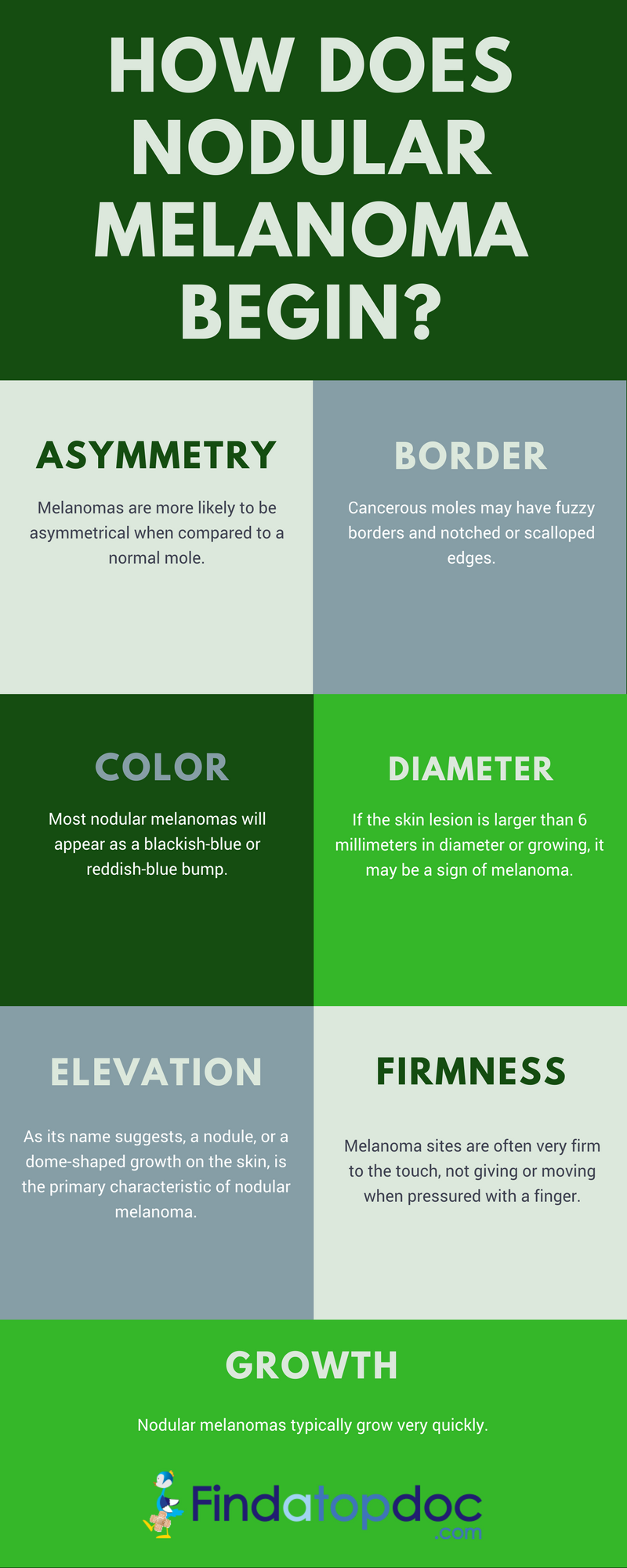
How Does Nodular Melanoma Begin?

Nodular melanoma is a type of skin cancer. It’s a dangerous form of melanoma that grows very quickly. However, only about 15% of all melanomas are nodular. But, it causes nearly half of melanoma-related deaths. So, it’s very important to know the signs. If it’s found early on, doctors may be able to cure it. In nodular melanoma, malignant melanoma cells proliferate downwards through the skin and this is known as vertical growth.

HOW DOES NODULAR MELANOMA BEGIN_
Source

Symptoms

You might not notice a nodular melanoma since these cancers don’t really have the usual warning signs of melanomas. You’ve probably heard that you should look out for moles that have:
  • Asymmetry
  • Uneven borders
  • Different colors
  • Spread or become large
But nodular melanomas are different. They don’t fit those guidelines at all. They usually appear as a round black bump. They can be blue, gray, red, or white. And it’s rare, but about 5% of the time, they don’t have an unusual color. Also, the melanoma is often solid in color with even borders.

Who Gets It?

Anyone can develop nodular melanoma. But it’s more common in men than women. The disease is most often found in men ages 50 and older. You’re more likely to get the cancer if you have one or more of the following:
  • A family member who has or had skin cancer
  • Pale skin that burns easily
  • More than a few unusual-looking moles
  • Spending lots of time in the sun

How is nodular melanoma treated?

Early stages of melanoma are treated by surgery to remove the melanoma and some of the healthy skin surrounding the melanoma. Your doctor may also recommend a lymph node biopsy so they can see if any cancer cells have spread to your lymph nodes.
Melanoma that has spread to lymph nodes or other organs requires other treatment methods, such as:
  • radiation
  • immunotherapy
  • targeted therapy
  • chemotherapy

Monday, April 9, 2018

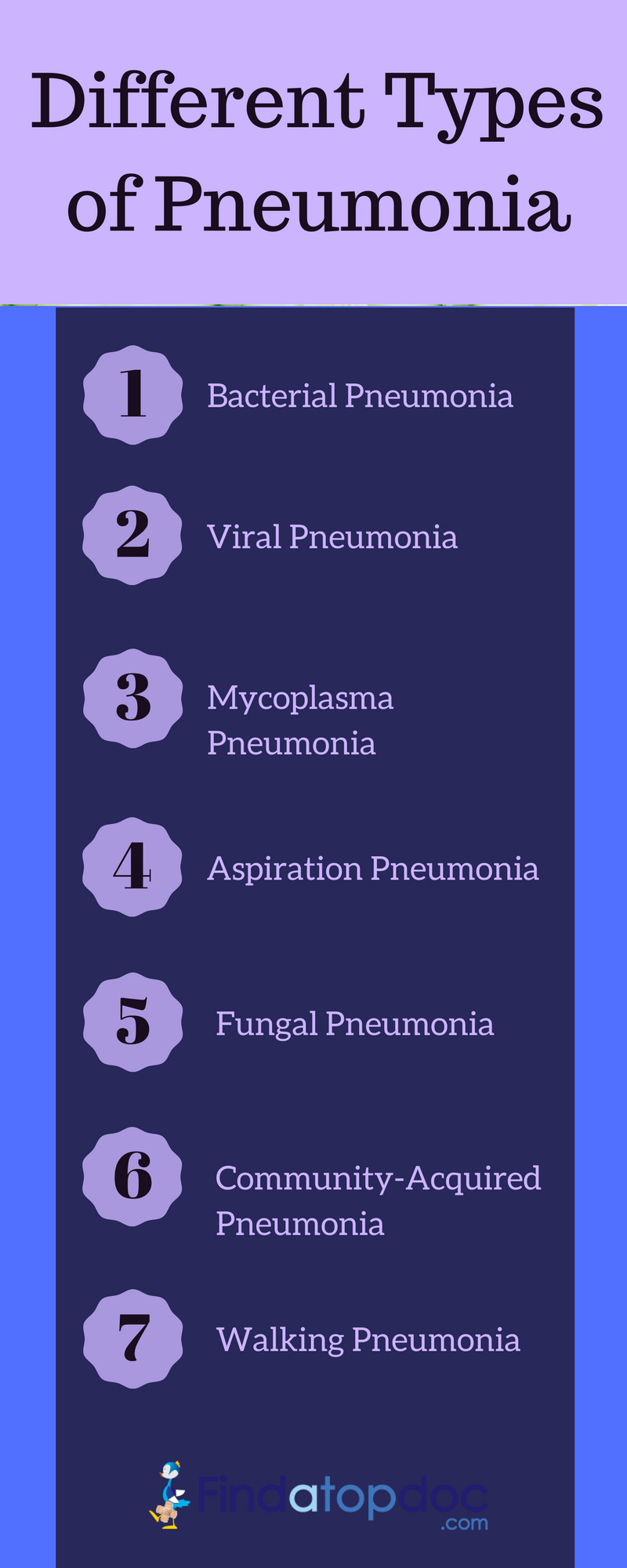
Different 7 Types of Pneumonia

Pneumonia is an inflammation of the airspaces in the lung most commonly caused by infections. Bacteria, viruses, or fungi can cause the infection. There are also a few noninfectious types of pneumonia that are caused by inhaling or aspirating foreign matter or toxic substances into the lungs. Around 50,000 people die each year of pneumonia in the U.S. Although anyone of any age can be affected, pneumonia is more common in elderly people and often occurs when the immune system becomes weakened via a prior infection or another condition.

Different Types of Pneumonia
Source

Causes

Many germs can cause pneumonia. The most common are bacteria and viruses we breathe in. Your body usually prevents these germs from infecting your lungs. But sometimes these germs can overpower your immune system, even if your health is generally good. Pneumonia is classified according to the types of germs that cause it and where you got the infection.

1. Bacterial Pneumonia

Bacterial pneumonia is caused by bacteria instead of a virus, fungi or some other type of germ or foreign substance. It can be caused by a wide range of bacteria and is treated with antibiotics. This is a common type of pneumonia that can sometimes be very serious, leading to hospitalization or even death in worst cases.

2. Viral Pneumonia

It is triggered by viruses such as influenza, chickenpox, adenoviruses or respiratory syncytial virus. You can catch viral pneumonia via coughing, sneezing or touching an object that was contaminated by an infected person.

3. Mycoplasma Pneumonia

This type of pneumonia is caused by a germ known as a bacterium - which is smaller than bacteria. Mycoplasma pneumonia is often the cause of "walking pneumonia" and gets that name because the symptoms are usually mild.

4. Aspiration Pneumonia

Infections or inhalation of food, liquid, gases or dust lead to this type of pneumonia. This illness goes by other names, such as necrotizing pneumonia, anaerobic pneumonia, aspiration pneumonitis, and aspiration of vomitus. People with aspiration pneumonia have inflammation minus the bacterial infection.

5. Fungal Pneumonia

Fungal pneumonia is caused when spores enter the lungs and widely spread. It is rare and more commonly occurs in people with compromised immune systems. However, it can occur in otherwise healthy adults. One cause of fungal pneumonia in adults is Valley Fever - which occurs in certain parts of the Southwestern United States.

Friday, April 6, 2018

How to Become a Psychiatrist in 5 Steps

Psychiatry is the branch of medicine focused on the diagnosis, treatment as well as prevention of mental, emotional and behavioral disorders. A psychiatrist is a medical doctor who specializes in mental health, including substance use disorders. Psychiatrists are qualified to assess both the mental and physical aspects of psychological problems. People seek psychiatric help for numerous reasons. The problems can be sudden, such as a panic attack, frightening hallucinations, thoughts of suicide, or hearing "voices.

psychiatrist
Source

What does a psychiatrist do?

Psychiatrists assess all of your mental and physical symptoms. They make a diagnosis and work with you very thoroughly to develop a plan for your treatment and recovery. Psychiatrists provide psychological treatment, prescribe medications and even do some procedures.
As part of their work, a psychiatrist can:
  • provide urgent care for a sudden mental illness
  • help you to manage a long-term mental health condition
  • provide advice about lifestyle changes
  • work with you individually, or with you and your partner
  • refer you to other health professionals

Types of Psychiatrists

There are a number of different specialty areas in psychiatry. Some different types of specialized psychiatrists include:
  • Addiction psychiatrist: Works with people who have addiction and some substance abuse issues
  • Adult psychiatrist: Works with adults experiencing mental illness or psychological problems
  • Adolescent and child psychiatrist: Works with children and teens
  • Forensic psychiatrist: Works in the courts and criminal justice system
  • Geriatric psychiatrist: Works with elderly populations
  • Neuropsychiatrist: Treats mental disorders associated with nervous system problems, brain diseases, and brain injuries
  • Organizational psychiatrist: Practices psychiatry in workplace and organizational settings

Where do psychiatrists work?

Psychiatrists work in public and private hospitals, community mental health services and in private consulting rooms. Psychiatrists are very often involved in research, providing advice in legal matters, teaching and advocacy work. This means they also work in government departments, research centers and universities. Many psychiatrists take on a few different roles at the same time. They might spend part of their time at a public hospital and the rest seeing patients at their own private practice.

Wednesday, April 4, 2018

What Does a Proctologist Do?

Colorectal surgeons, also called proctologists, are physicians who specialize in the medical and surgical treatment of conditions that affect the lower digestive tract. Colorectal surgeons undergo extensive education and advanced training. They have comprehensive knowledge about general surgery and in the diagnosis and treatment of disorders of the colon, rectum, and anus.


Source

Job Description

Proctologists specialize in the preoperative, operative, and postoperative care of patients with colorectal disorders. Conditions treated by colon and rectal surgeons include the following:
  • Anal abscess, anal fistula, and anal fissure
  • Bowel incontinence
  • Colorectal cancer
  • Colorectal polyps
  • Hemorrhoids
  • Inflammatory bowel disease (IBD; e.g., Crohn's disease, ulcerative colitis)
  • Irritable bowel syndrome (IBS)
  • Rectal prolapse

Salary

Proctologists begin their careers with four to five years in a general surgical residency, followed by a year or more in a specialized fellowship. Their salaries fall into the mid-range for doctors' pay.

Median Incomes
According to specialty recruiting firm Profiles, the median salary of proctologists in their first year of practice was $292,000 per year in 2011. The American Medical Group Association, in a survey of physicians employed by its members in 2009, reported a median income of $394,723 for colorectal surgeons across the board.

Average Incomes
Proctologists' average incomes closely parallel the median incomes. Profiles report an average annual income of $389,700 for proctologists in their sixth year of practice, when most have passed the necessary exams to become board-certified. The Medical Group Management Association reported an average salary of $407,273 per year for colorectal surgeons in its 2011 survey.

Education

Proctologists are required to attend a four-year medical school accredited by the Liaison Committee on Medical Education (LCME). Students must undergo an intensive curriculum including classroom, laboratory and clinical instruction. Classes during the first two years include physiology, biochemistry, anatomy, psychology, pharmacology, microbiology, medical ethics and laws and pathology. The final two years are spent gaining supervised clinical experience in specialties, such as obstetrics and gynecology, internal medicine, family practice, pediatrics, psychiatry and surgery. At the close of the program, graduates are conferred with a MD (Medical Doctor) degree.

The Bureau of Labor Statistics' 2011 projects that demand for doctors will grow by 24 percent between 2010 and 2020. This is much higher than the average for all occupations. The bureau points out that the aging baby boom generation will account for a disproportionate percentage of health care. This is likely to create strong demand for proctologists, since hemorrhoids, cancers and many other conditions of the digestive tract are more common in the elderly.
Monday, April 2, 2018

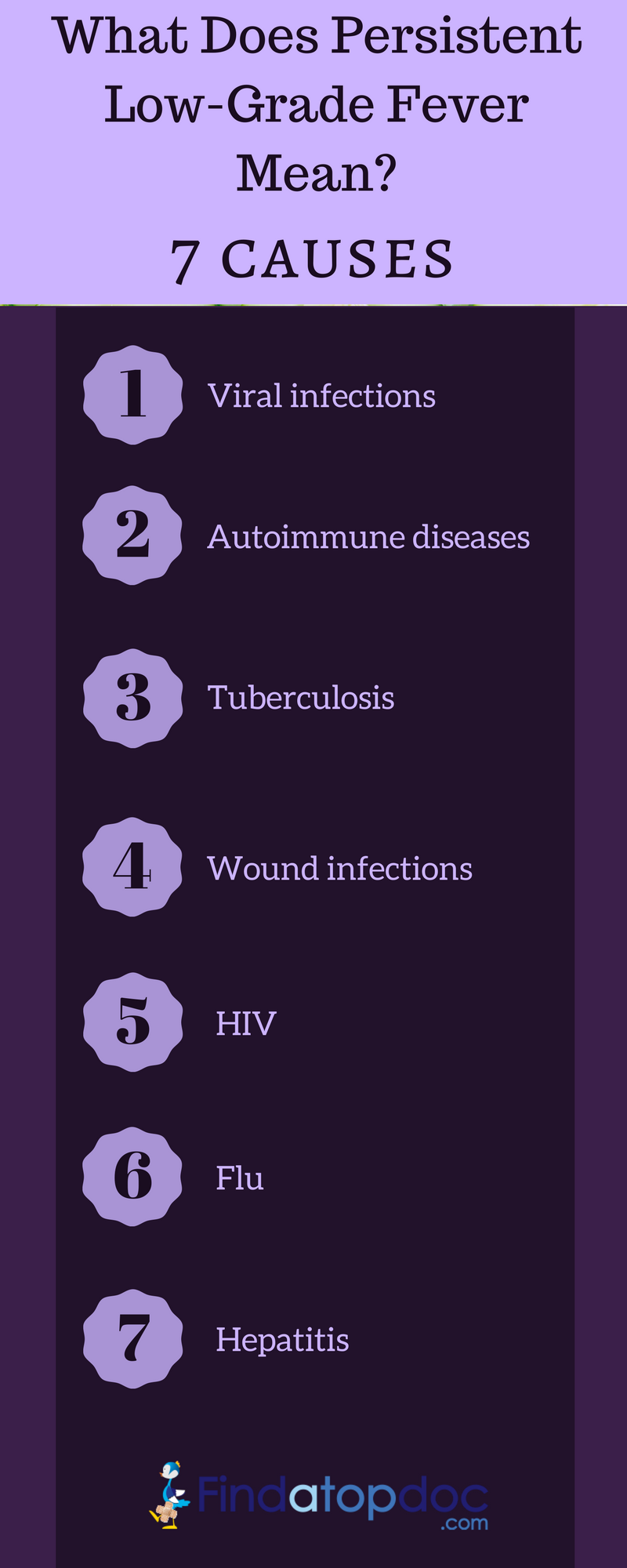
7 Causes of Persistant Low Grade Fever

What does a low-grade fever mean? If you have a cold, or more commonly the flu, you may have a fever as well, but not all are the same. Fevers are defined as any body temperature above 98.6° F (37° C). Some people may talk about a low-grade fever versus a regular fever or a high-grade fever. These terms are not universally defined, but it is important to monitor the degree of your fever in the context of your cold or flu and take appropriate action to treat.

Persistent Low-Grade Fever
Source

Symptoms

Depending on what's causing your fever, additional fever signs and symptoms may include:
  • Sweating
  • Chills and shivering
  • Headache
  • Loss of appetite
  • Irritability
  • General weakness

A Regular Fever vs. a Low-Grade Fever (LGF)

You can monitor your fever by simply taking your temperature. A low-grade fever is often classified as an oral temperature that is above 98.6° F (37° C) but lower than 100.4° F (38° C) for a period of 24 hours. Fevers, though uncomfortable, play a key role in helping your body fight off many infections.

What causes low-grade fever?

Fevers often accompany infections. Body temperature can be elevated by physical activity and environmental factors, such as wearing heavy clothing or a high ambient temperature.
Infectious causes of low-grade fever:
  • Bacterial infection, such as Strep throat or scarlet fever
  • Cellulitis (skin infection)
  • Childhood diseases, such as chickenpox, fifth disease, measles, mumps, whooping cough
  • Cold, flu, or other viral infections
  • Ear infection
  • HIV or AIDS
  • Lung infections, such as bronchitis, pneumonia, and tuberculosis
  • Mononucleosis
  • Sinus infection
  • Urinary tract infections

Friday, March 30, 2018

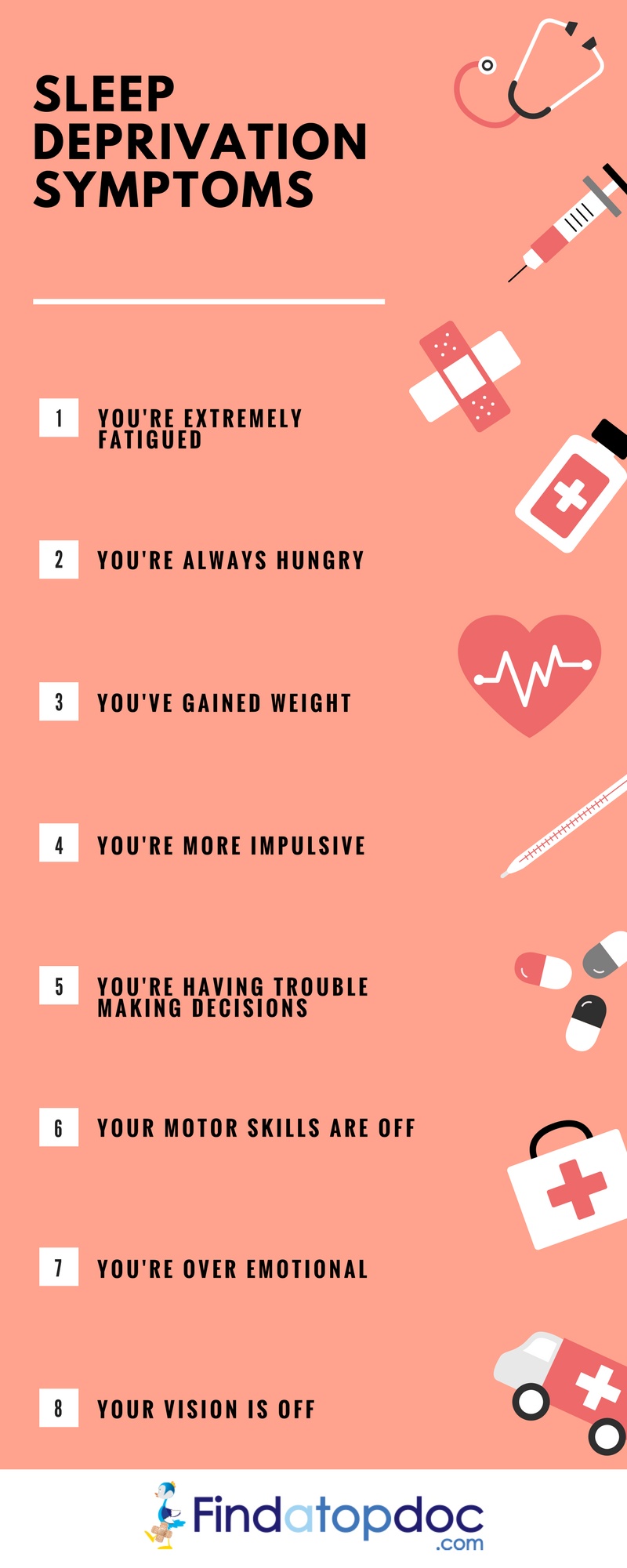
Common 8 Symptoms of Sleep Deprivation

The loss of sleep is a common problem in modern society, affecting many individuals at some point in their lives. Sleep deprivation occurs when an individual gets less sleep than they should. People vary in how little sleep is needed to be considered sleep-deprived. Some people such as older adults seem to be more resistant to the effects of sleep deprivation, while others, especially children and young adults, are more vulnerable. Although occasional sleep interruptions are generally a nuisance, ongoing lack of sleep can lead to excessive daytime sleepiness, emotional difficulties, obesity and a lowered perception of quality of life.

#Health #Fitness #HealthyLiving #SleepDeprivation

Source

Causes of Sleep Deprivation

What usually causes sleep deprivation in adults, and how do these causes differ from those in teens or even children? Research suggests that sleep deficiency is typically due to the following factors:
  • A disorder that disrupts sleep, whether a thyroid disorder, dealing with pain, or something like acid reflux or sleep apnea. Snoring can also disturb sleep.
  • A demanding, busy schedule.
  • High amounts of stress.
  • Effects of certain medications or stimulants.

Symptoms

The main symptom of ongoing sleep loss is excessive daytime sleepiness, but other symptoms include:
  • yawning
  • moodiness
  • fatigue
  • irritability
  • depressed mood
  • forgetfulness
  • lack of motivation
  • clumsiness
  • reduced sex drive

Treatment

Treatment is only required when a person physically cannot get to sleep, due to either physical or psychological difficulties. A therapist or sleep specialist will be able to offer guidance and coping techniques for reaching a restful state and sleeping. There are two main avenues of treatment for sleep deprivation: Behavioral and cognitive measures and medications.

Wednesday, March 28, 2018

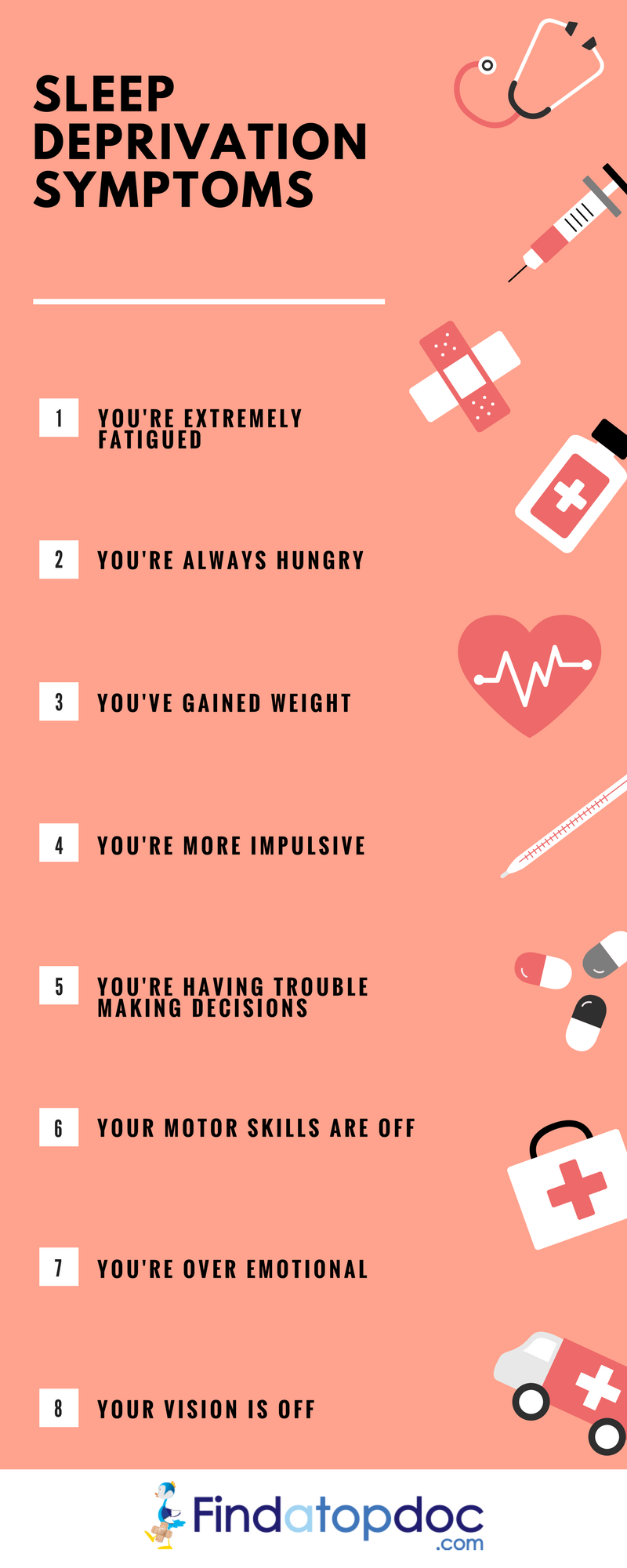
Common 8 Sleep Deprivation Symptoms

The loss of sleep is a common problem in modern society, affecting many individuals at some point in their lives. Sleep deprivation occurs when an individual gets less sleep than they should. People vary in how little sleep is needed to be considered sleep-deprived. Some people such as older adults seem to be more resistant to the effects of sleep deprivation, while others, especially children and young adults, are more vulnerable.

SleepDeprivationSymptoms
Source

Causes of Sleep Deprivation

What usually causes sleep deprivation in adults, and how do these causes differ from those in teens or even children? Research suggests that sleep deficiency is typically due to the following factors:
  • A disorder that disrupts sleep, whether a thyroid disorder, dealing with pain, or something like acid reflux or sleep apnea. Snoring can also disturb sleep.
  • A demanding, busy schedule.
  • High amounts of stress.
  • Effects of certain medications or stimulants.
  • Eating a poor diet that can lead to blood sugar fluctuations.
  • Eating too close to bedtime, or not eating enough with dinner/later in the day (such as if you’re fasting).

Symptoms

The main symptom of ongoing sleep loss is excessive daytime sleepiness, but other symptoms include:
  • yawning
  • moodiness
  • fatigue
  • irritability
  • depressed mood
  • forgetfulness
  • lack of motivation
  • clumsiness
  • reduced sex drive

Monday, March 26, 2018

What is Difference Psychologist vs Psychiatrist

If you have mental health concerns, you should definitely seek help and someone you can talk to. But where do you go? How do you know what type of doctor you should talk to? Do you look for a psychiatrist or psychologist? If you’re unsure what the difference is, you’re not alone. There’s a lot of confusion out there. There are similarities, but there are important differences, too.

PsychiatristvsPsychologist.png
Source

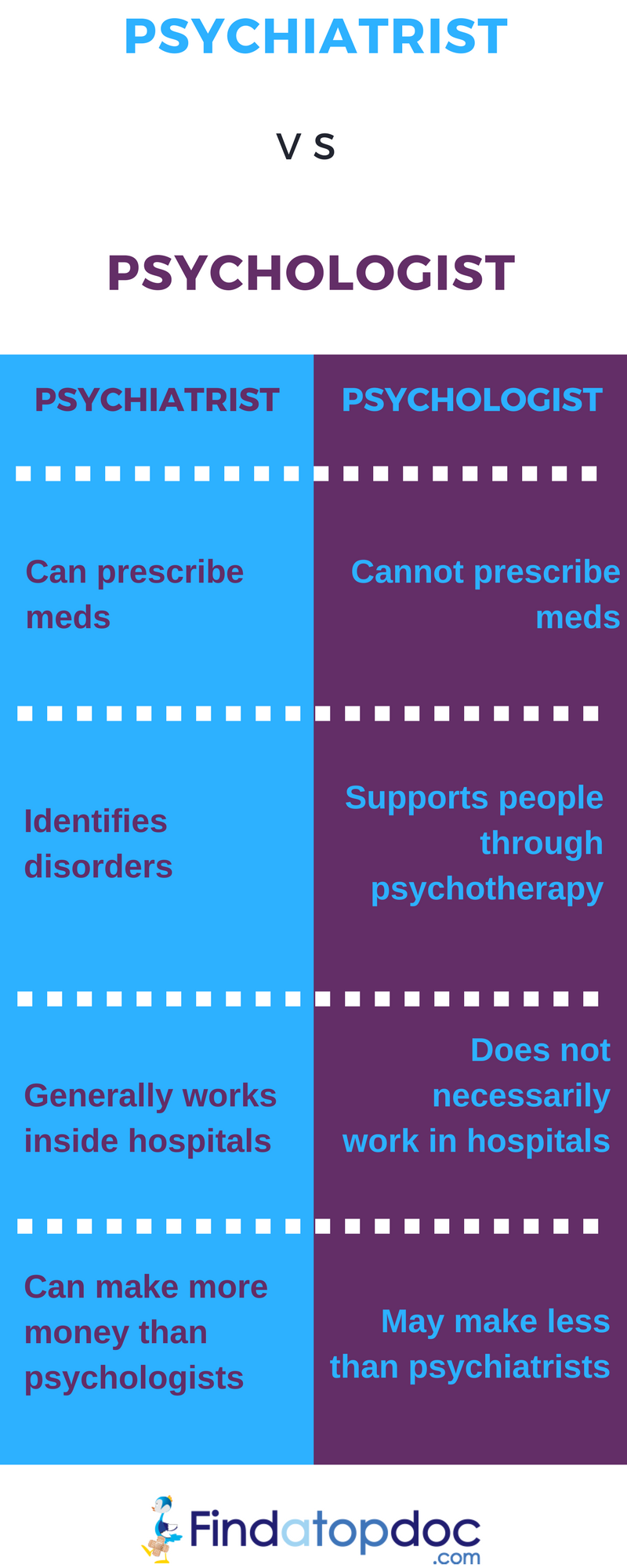
The four main differences between psychiatrists and psychologists are:
  • Psychiatrists are medical doctors, psychologists are not.
  • Psychiatrists prescribe medication, psychologists can’t.
  • Psychiatrists tend to treat complex and serious mental illness, psychologists tend to treat less serious conditions.
  • You need a referral from your GP to see a psychiatrist, while you don’t for a psychologist.

How they’re Alike

Psychiatrists and psychologists are different types of doctors trained to help you deal with mental health issues. Both are there to talk you through your problems. Their goal is to provide you with the means to manage the issues in your everyday life. Although there are differences in the two fields, psychiatrists and psychologists often work together in the treatment of patients. A psychologist is not able to write prescriptions, but may recommend a patient be seen by a fellow psychiatrist in order to receive medications

Treatments provided

Psychiatrists can provide a wide range of treatments, according to the particular problem and what will work best. These include:
  • medication
  • general medical care, including checking your physical health and the effects of medication
  • psychological treatments
  • brain stimulation therapies such as electroconvulsive therapy (ECT).
  • Psychologists focus on providing psychological treatments.

Conditions treated

Psychiatrists tend to treat people who need their medical, psychological and social needs considered. These are usually people with complex conditions, for example:
  • severe depression
  • schizophrenia
  • bipolar disorder.
Someone who has attempted suicide or has suicidal thoughts will usually be seen by a psychiatrist.

Friday, March 23, 2018

Causes of Pain Between Shoulder Blades

Shoulder blade pain is a very common experience, with causes ranging from simple strains to serious conditions, such as heart attacks or liver problems. Determining the cause of shoulder blade pain can be difficult. People experiencing shoulder blade pain need to know the possible reasons for the pain and what precautions to take.


Causes

There are many possible causes for pain between your shoulder blades. An injury to a muscle or tendon is a common reason for this type of pain. Muscle strains can result from:
  • heavy lifting
  • poor posture
  • working at a computer for extended periods of time
  • exercise
Sometimes, you can even strain a muscle during sleep. Injuries to other parts of your body, such as rotator cuff tears, spine fractures, or other injuries that cause trauma, can also lead to pain between your shoulder blades.

Other causes for shoulder blade pain include:
  • degenerative disc disease, or a herniated or bulging disc in the spine
  • scoliosis
  • osteoarthritis in the joints around your neck, spine, or ribs
  • spinal stenosis, or a narrowing of your spinal cord
  • acid reflux
  • fibromyalgia
  • certain cancers, such as lung cancer, lymphomas, liver cancer, esophageal cancer, mesothelioma, and cancers that spread to bones
  • nerve compression

Diagnosis

Your doctor will begin by taking a careful history and doing a physical exam. Many causes of shoulder blade pain can be diagnosed based on your medical history. Doctor will perform a careful physical exam, yet studies suggest that it’s often difficult to diagnose the cause of shoulder blade pain based on physical exam alone. Other tests and studies may include:
  • Radiological studies. Radiologic studies may include a chest x-ray, a CT scan of your chest or other regions of your body, an MRI of your chest or other regions, and/or a PET scan if you have a history of cancer.
  • Heart tests. If your doctor is at all concerned that your pain may be originating in your heart, tests such as an EKG or stress test may be recommended.

Treatment

Treatment depends largely on the exact cause of the pain. For simple cases of overuse, strain, or sleeping poorly, a person may be able to try a range of treatments from home. These may include:
  • rest
  • ice
  • medications, such as ibuprofen
  • medicated rubs and ointments
  • stretching
  • massages

Wednesday, March 21, 2018

What is Extrinsic Motivation?

Extrinsic motivation is reward-driven behavior. It’s a type of operant conditioning. Operant conditioning is a form of behavior modification that uses rewards or punishments to increase or decrease the likelihood that specific behaviors will recur. In extrinsic motivation, rewards or other incentives, like praise, fame, or money, are used as motivation for specific activities. Unlike intrinsic motivation, external factors drive this form of motivation. Being paid to do a job is an example of extrinsic motivation. You may enjoy spending your day doing something other than work, but you’re motivated to go to work because you need a paycheck to pay your bills. In this example, you’re extrinsically motivated by the ability to afford your daily expenses.


Extrinsic Motivation Can Involve Tangible or Psychological Rewards

Extrinsic motivation is defined as our tendency to engage in activities in order to gain some type of external reward. It is important to note that these rewards can be either tangible or psychological in nature. Money and trophies are two common types of tangible rewards. People engage in activities that they might normally not find terribly enjoyable or rewarding in order to earn a wage. Athletes often engage in strenuous and difficult training sessions in order to be able to compete in sporting events in order to win trophies and awards. Psychological forms of extrinsic motivation can include praise.

Examples of extrinsic motivation

Examples of external extrinsic rewards include:
  • competing in sports for trophies
  • completing work for money
  • customer loyalty discounts
  • buy one, get one free sales
  • frequent flyer rewards

How Effective Is Extrinsic Motivation?

So just how well do extrinsic rewards work for increasing motivation? This type of motivation can be highly effective. Just look at all of the examples in your own life of things that you do in order to gain some type of external reward. You might shop with a store loyalty card in order to gain points, discounts, and prizes.

Understanding the Results

Why would rewarding an already intrinsically rewarding behavior lead to this sudden disinterest? One reason is that people tend to analyze their own motivations for engaging in an activity. Once they have been externally rewarded for performing an action, they assign too much importance to the role of the reinforcement in their behavior. Another possible reason is that activities that initially feel like play or fun can be transformed into work or obligations when tied to an external reward.

Monday, March 19, 2018

Home Remedies for Breast Pain During Pregnancy

Women of all ages report having breast pain, also known as mastalgia. Pain can occur before and after the menopause. However, breast pain is most common in younger menstruating women. While nearly 70 percent of women report breast pain at some point during their lives, only around 15 percent require medical treatment. The severity and location of breast pain can vary. Pain can occur in both breasts, one breast, or in the underarm. Severity can range from mild to severe and is typically described as tenderness, sharp burning, or tightening of the breast tissue.


Many women have breast tenderness and pain, also called mastalgia. It may come and go with monthly periods (cyclic) or may not follow any pattern (noncyclic).

  • Cyclic pain is the most common type of breast pain. It may be caused by the normal monthly changes in hormones. This pain usually occurs in both breasts. It is generally described as a heaviness that radiates to the armpit and arm.
  • Noncyclic pain is most common in women 30 to 50 years of age. It may also occur in only one breast. It is often described as a sharp, burning pain that occurs in one area of a breast.

Symptoms

Symptoms of breast pain caused by periods:
  • dull, heavy or aching pain
  • pain that begins up to 2 weeks before a period, gets worse and then goes away when the period ends
  • usually affects both breasts and sometimes pain spreads to the armpit

When to see a doctor

Make an appointment with your doctor if breast pain:
  • Continues daily for more than a couple of weeks
  • Occurs in one specific area of your breast
  • Seems to be getting worse over time

What can I do for breast pain?

  • Acetaminophen, such as Tylenol
  • Nonsteroidal anti-inflammatory drugs (NSAIDs), such as ibuprofen (Advil or Motrin), naproxen (Aleve or Naprosyn), or aspirin (Anacin, Bayer)
  • If breast pain becomes severe or lasts longer than 3 weeks, call your doctor to discuss your symptoms.

Treatment

For many women, breast pain resolves on its own over time. You may not need any treatment. If you do require treatment, your doctor might recommend that you:
  • Eliminate an underlying cause or aggravating factor. This may involve a simple adjustment, such as wearing a bra with extra support.
  • Use a topical nonsteroidal anti-inflammatory (NSAID) medication. You may need to use NSAIDs when your pain is intense. Your doctor may recommend you apply an NSAID cream directly to the area where you feel pain.
  • Reduce the dose of menopausal hormone therapy. You might consider lowering the dose of menopausal hormone therapy or stopping it entirely.
When you're trying to get a clear diagnosis of your breast pain, take charge. Keep a chart of your menstrual periods and breast pain cycle so you can judge whether or not the pain is related to your hormonal cycle. Then, consult with your doctor and have a clinical breast exam done. During your visit, your doctor will also review your health history and list of medications.


Wednesday, March 14, 2018

Causes and Signs of Wrist Tendinitis

Wrist tendinitis, also called tenosynovitis, is a common condition characterized by irritation and inflammation of the tendons around the wrist joint. Wrist tendinitis usually affects one of the tendons, but it may also involve two or more. Often, wrist tendinitis occurs at points where the tendons cross each other or pass over a bony prominence.


Source

Symptoms

The symptoms of tendinitis include:
  • Pain or tenderness at or near a joint, especially around a shoulder, wrist, elbow, or ankle
  • Stiffness that, along with the pain, restricts the movement of the joint involved
  • Mild swelling or thickening of the tendon near the joint

Causes

Wrist tendinitis is an overuse condition which occurs due to repetitive strain or friction of the tendon. It usually occurs in a tendon which rubs over a bony prominence or where excessive repetitive strain has been placed on the tendon. Whilst tendinitis is the most common term used to describe this injury, it is often technically incorrect. Investigations and biopsies have often found no inflammatory cells present. Wrist tendinitis symptoms and treatment are usually the same whether the injury is inflammation or degeneration.

Diagnosis

Tendinitis is typically diagnosed by a physical exam alone. If you have the symptoms of overuse tendinopathy, your doctor may order an ultrasound or MRI scans to help determine tendon thickening, dislocations and tears.

Treatment

Rest from aggravating activities. Continuing to use the wrist when it is painful will prevent healing and could make the injury worse. A chronic tendon injury that has not been looked after in the early days is much more difficult to treat. Wearing a wrist splint or support may help with resting, particularly if you need to use your hands. By immobilizing the wrist the tendons have to work a lot less and have a chance of healing. Apply cold therapy to ease pain and swelling particularly in the early days or when the wrist tendinitis is very painful. Preventing Future Problems